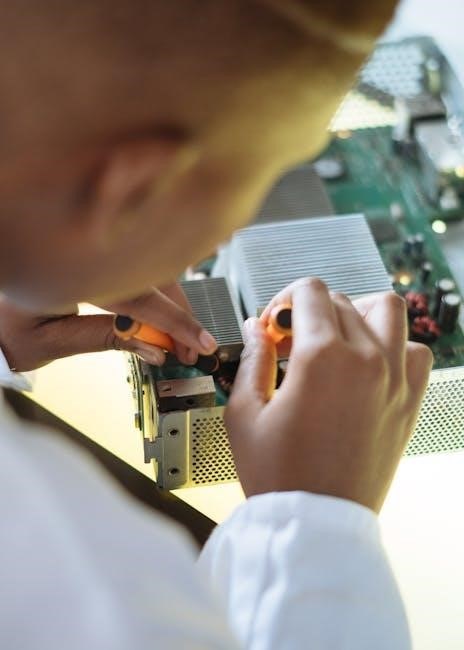
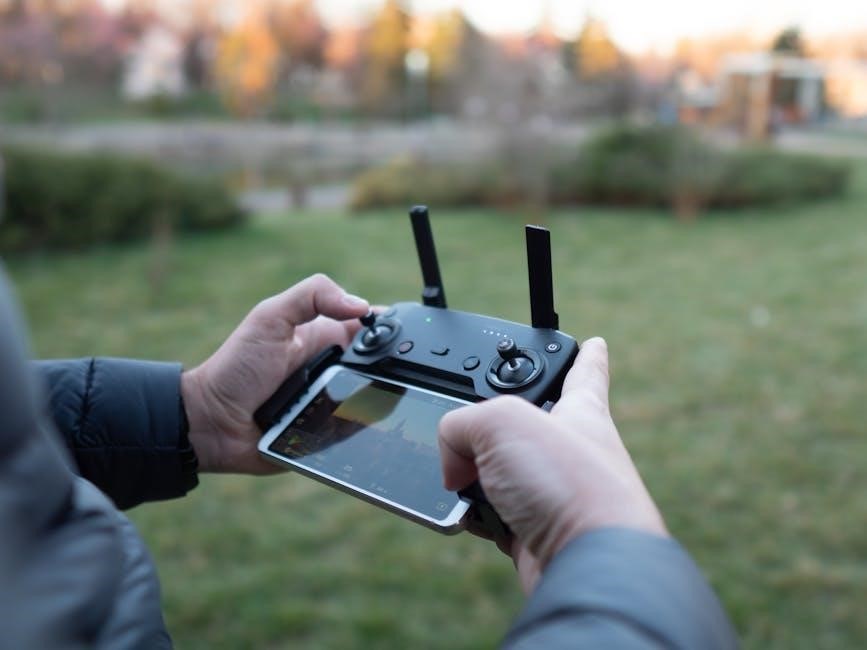
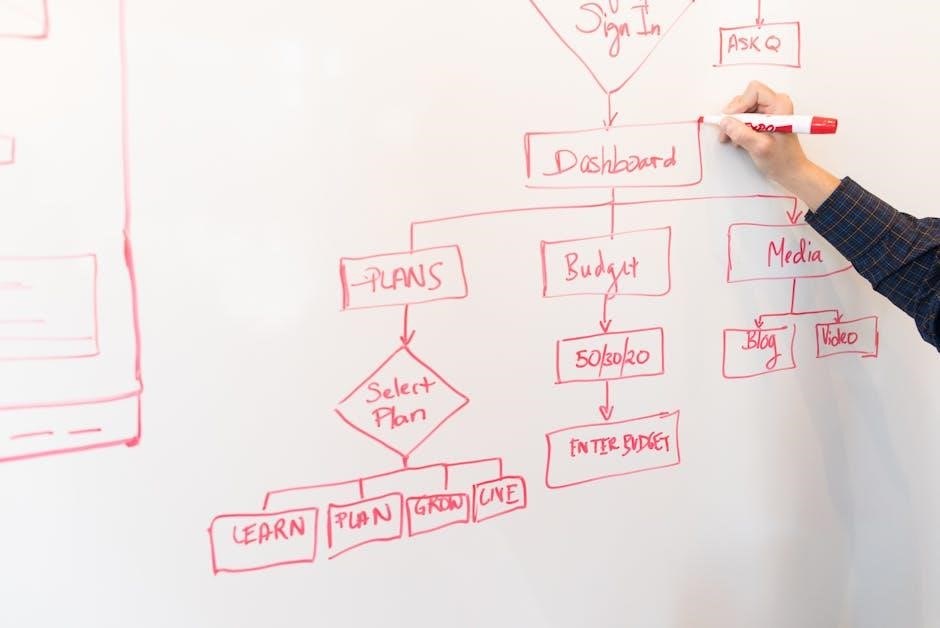
Control consoles are fabricated systems enabling machinery operation and monitoring, forming a crucial human interface with digital systems.
These specialized workstations, vital in 24/7 command centers, coordinate operations through numerous auxiliary components and integrated communication systems.
What is a Control Console?
A control console represents a meticulously designed and installed system, functioning as the central nervous system within a control room environment. It’s fundamentally a specialized workstation engineered for the operation and vigilant monitoring of complex machinery and intricate systems. These consoles aren’t simply desks; they are mission-critical furniture, often deployed in 24/7 operational settings like 911 dispatch centers and air traffic control facilities.
Essentially, a control console forms the vital human interface between operators and the digital infrastructure they oversee. Modern consoles accommodate multiple displays, robust communication tools, and a variety of input devices – buttons, knobs, and faders – enabling precise control and real-time situational awareness. They are tailored to specific industries, including security, network operations, and financial control, ensuring optimal performance and reliability.
The Role of a Control Console Operator
The control console operator occupies a pivotal position, acting as the central point of command and control within a critical operational environment. These professionals are responsible for the continuous monitoring of systems, swift response to alerts, and precise execution of operational procedures using the console’s array of input devices. They interpret data presented on multiple displays, maintaining situational awareness and making informed decisions.
Operators must be proficient in utilizing the console’s integrated communication systems to coordinate with colleagues and external stakeholders. Their role demands unwavering focus, adherence to strict protocols, and the ability to remain calm under pressure, particularly during emergency situations. They are the key link ensuring seamless operations and maintaining system integrity within 24/7 environments.

Types of Control Consoles
Control consoles vary significantly, encompassing lighting, security, air traffic, and network operations; each type is tailored for specific mission-critical applications.
Lighting Control Consoles
Lighting control consoles are specialized systems designed for managing and manipulating theatrical, architectural, or event lighting. These consoles fundamentally control dimmers, regulating the intensity of conventional incandescent lights, and increasingly, intelligent fixtures.
Modern lighting consoles extend beyond simple dimming, offering sophisticated capabilities like color mixing, moving light control, and complex cue sequencing. Operators utilize these consoles to create dynamic lighting designs, synchronize light with audio or video, and execute pre-programmed shows with precision.
The core function remains the precise adjustment of light levels, but contemporary consoles integrate advanced features for creative expression and efficient operation within diverse performance and presentation environments. They are essential tools for lighting designers and technicians.
Security Control Consoles
Security control consoles serve as central hubs within security operations centers, facilitating the monitoring and management of diverse security systems. These specialized workstations are critical in environments like 911 dispatch centers, demanding constant vigilance and rapid response capabilities.
Operators utilize these consoles to oversee surveillance cameras, access control systems, alarm panels, and communication networks. They analyze real-time data, identify potential threats, and coordinate responses to security incidents. The console’s ergonomic design and multi-monitor support are crucial for sustained focus during long shifts.
Effective operation requires comprehensive training and adherence to strict protocols, ensuring a swift and coordinated response to any security breach or emergency situation. They are mission-critical for maintaining safety and security.
Air Traffic Control Consoles
Air traffic control consoles are highly specialized workstations found within air traffic control centers, essential for the safe and efficient management of air traffic. These consoles provide controllers with a comprehensive view of airspace, displaying aircraft positions, altitudes, speeds, and flight plans in real-time.
Controllers utilize these consoles to issue instructions to pilots, ensuring safe separation between aircraft and managing the flow of traffic. The consoles integrate advanced radar systems, communication equipment, and data processing capabilities. Ergonomic design is paramount, supporting controllers during demanding, high-pressure shifts.
Rigorous training and adherence to standardized procedures are vital for effective operation, guaranteeing the safety of air travel and preventing potential incidents. They are truly mission-critical environments.
Network Operations Control Consoles
Network Operations Control Consoles (NOCCs) serve as central hubs for monitoring and managing complex network infrastructures. These consoles provide network operators with a consolidated view of network performance, security status, and system health, enabling proactive identification and resolution of issues.
Typically, NOCCs feature multi-monitor setups displaying real-time data feeds, network diagrams, and alert notifications. They integrate with various network management tools and security information and event management (SIEM) systems. Operators utilize these consoles to analyze network traffic, troubleshoot connectivity problems, and implement security measures.
Effective operation requires specialized training and a deep understanding of networking protocols and security best practices, ensuring continuous network availability and data protection. They are essential for 24/7 operations.
Key Features of Control Consoles

Control consoles boast ergonomic designs, multi-monitor support, and integrated communication systems, mimicking a central nervous system for coordinated operations.
Ergonomic Design and Layout
Ergonomic design is paramount in control consoles, recognizing operators often work extended, around-the-clock shifts in mission-critical environments. Consoles are meticulously crafted to minimize physical strain and maximize comfort, directly impacting operator performance and reducing fatigue.
Layout considerations prioritize intuitive access to frequently used controls – buttons, knobs, faders – positioning them within easy reach. Multi-monitor setups are seamlessly integrated, often with adjustable height and tilt features to accommodate individual preferences and viewing angles.
Proper posture support, adjustable seating, and optimized desk heights are integral components. Thoughtful cable management prevents clutter and potential hazards, contributing to a cleaner, more focused workspace. Ultimately, the ergonomic layout aims to enhance operator efficiency and well-being.
Multi-Monitor Support
Multi-monitor support is a defining characteristic of modern control consoles, essential for displaying the vast amounts of data required in complex operational environments. These consoles routinely accommodate multiple displays, providing operators with a comprehensive overview of critical systems and real-time information.
The ability to customize screen layouts – arranging windows, dashboards, and video feeds – is crucial. Adjustable monitor arms and mounting solutions allow for optimal positioning, catering to individual operator preferences and minimizing neck strain.
Seamless integration with graphics cards and display management software ensures smooth performance and efficient resource allocation. This capability is vital for 24/7 operations, enabling operators to quickly identify and respond to evolving situations with maximum situational awareness.
Integrated Communication Systems
Integrated communication systems are paramount within control consoles, facilitating seamless interaction between operators and external stakeholders. These systems often encompass a suite of tools, including dedicated telephone lines, intercoms, and radio communication channels, all accessible directly from the console.
Modern consoles frequently incorporate VoIP (Voice over Internet Protocol) capabilities, enabling cost-effective and flexible communication. Clear audio quality and noise cancellation technologies are essential for maintaining clarity during critical exchanges.
Furthermore, integration with messaging platforms and video conferencing tools enhances collaboration. Reliable communication is vital for coordinated responses to incidents, ensuring swift and effective decision-making in time-sensitive situations, especially in 24/7 operational environments.
Network Interfaces and Connectivity
Control consoles function as central nervous systems, coordinating operations through numerous interconnected components, demanding robust network interfaces and connectivity. These consoles typically feature Ethernet ports for wired network access, alongside wireless capabilities like Wi-Fi for increased flexibility.
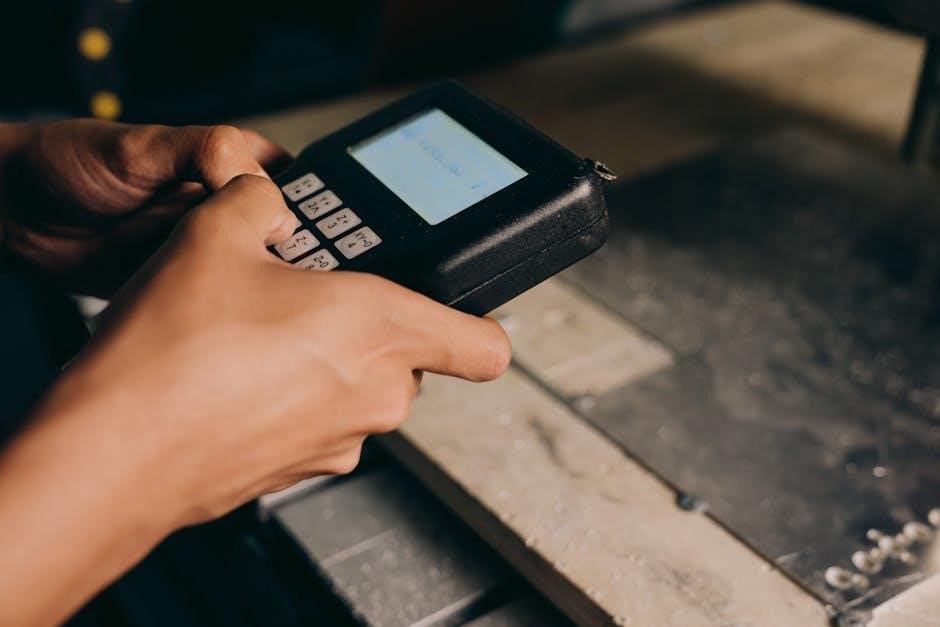
Secure network protocols are crucial for protecting sensitive data and preventing unauthorized access. Integration with existing network infrastructure allows for remote monitoring, diagnostics, and software updates. Consoles often support multiple network connections for redundancy and increased bandwidth.
Modern consoles increasingly utilize IP-based communication, enabling seamless integration with other systems. Reliable network connectivity is paramount for real-time data exchange and maintaining operational awareness, especially in mission-critical environments.
Control Console Components
Control consoles integrate dimmers, input devices like buttons and faders, and output displays, forming workstations for operators overseeing digital systems.
Dimmers and Lighting Control
Dimmers represent a fundamental component within control consoles, specifically designed to regulate the intensity of conventional incandescent lights. Modern consoles extend this capability, often incorporating control over intelligent lighting fixtures, offering a broader spectrum of effects and precise adjustments.
These systems allow operators to create dynamic lighting scenes, crucial for various applications, from stage productions to architectural illumination. The integration of dimmers within the console enables centralized control, streamlining workflows and enhancing operational efficiency. Understanding dimmer curves and their impact on light output is essential for achieving desired visual results. Advanced consoles may feature preset dimmer curves or allow for custom configurations, providing granular control over lighting behavior.
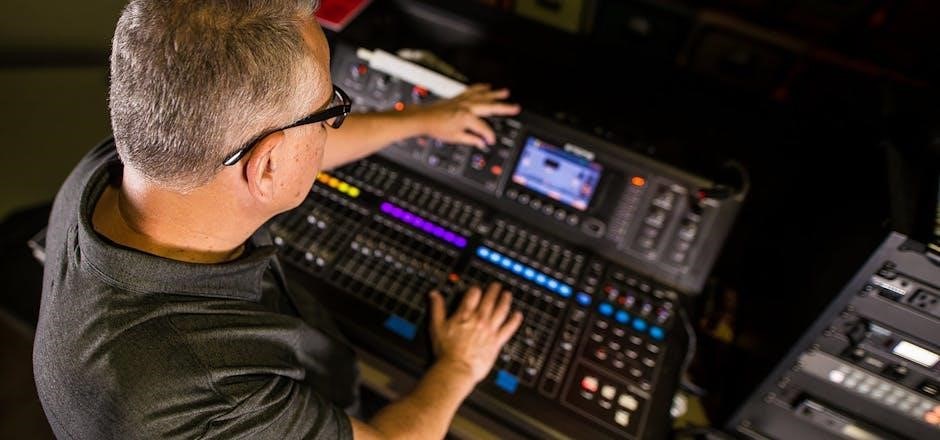
Input Devices (Buttons, Knobs, Faders)
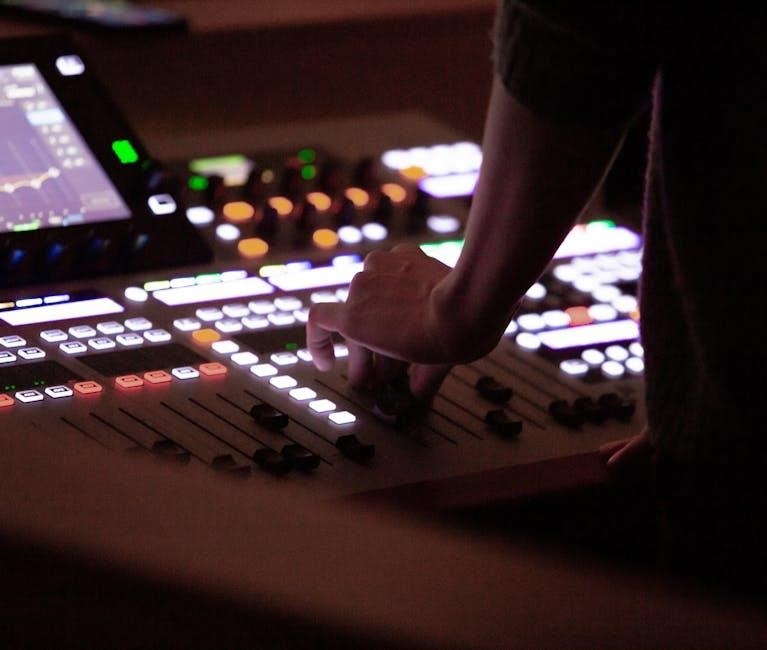
Control consoles rely heavily on a variety of input devices – buttons, knobs, and faders – to facilitate operator interaction and system control. These components serve as the primary interface between the human operator and the underlying digital systems. Buttons typically trigger discrete actions or select pre-defined settings, while knobs offer continuous adjustment of parameters like volume or pan.
Faders, commonly used in audio and lighting control, provide precise linear control over levels or intensities. The layout and configuration of these input devices are critical for ergonomic operation and efficient workflow. Customization options are often available, allowing operators to tailor the console to their specific needs and preferences. Understanding the function of each input device is paramount for effective console operation.
Output Devices (Displays, Indicators)
Control consoles utilize diverse output devices – primarily displays and indicators – to convey critical information to the operator. Multi-monitor support is a common feature, enabling the presentation of numerous data streams simultaneously. Displays range from standard LCD screens to specialized high-resolution monitors, providing visual feedback on system status, parameters, and performance metrics.
Indicators, such as LEDs and numerical readouts, offer at-a-glance confirmation of system states and alert operators to potential issues. These visual cues are essential for maintaining situational awareness and responding promptly to changing conditions. Effective use of output devices is crucial for informed decision-making and efficient console operation, especially in mission-critical environments.
Control Console Operation Best Practices
Best practices involve pre-operation checks, diligent routine maintenance, and a thorough understanding of emergency procedures for optimal control console functionality.
Pre-Operation Checks
Before commencing operations, a meticulous series of pre-operation checks is paramount for ensuring the reliable functionality of the control console. This begins with a visual inspection of all cabling – power, network, and peripheral connections – verifying secure attachments and the absence of damage.
Next, power on the console and systematically test each input device: buttons, knobs, and faders, confirming responsiveness and accurate readings. Verify the proper operation of all output devices, including displays and indicators, ensuring clear visibility and accurate data presentation.
Crucially, confirm network connectivity and communication systems are functioning correctly. A brief self-test of the console’s internal diagnostics can reveal potential issues before they escalate. Documenting these checks provides a valuable record and aids in troubleshooting should any problems arise during operation.
Emergency Procedures
In the event of an emergency, swift and decisive action is critical. Familiarize yourself with the console’s emergency shutdown procedures, clearly marked and readily accessible; Immediately isolate the fault if possible, following established protocols to prevent cascading failures.
Maintain clear communication with relevant personnel, utilizing the integrated communication systems of the control console. Document all actions taken, including the time, nature of the emergency, and steps implemented to mitigate the situation.
Prioritize the safety of personnel and the preservation of critical systems. Be prepared to switch to backup systems or manual control if the primary console fails. Regular drills and simulations are essential to ensure a rapid and effective response to any unforeseen event.
Routine Maintenance
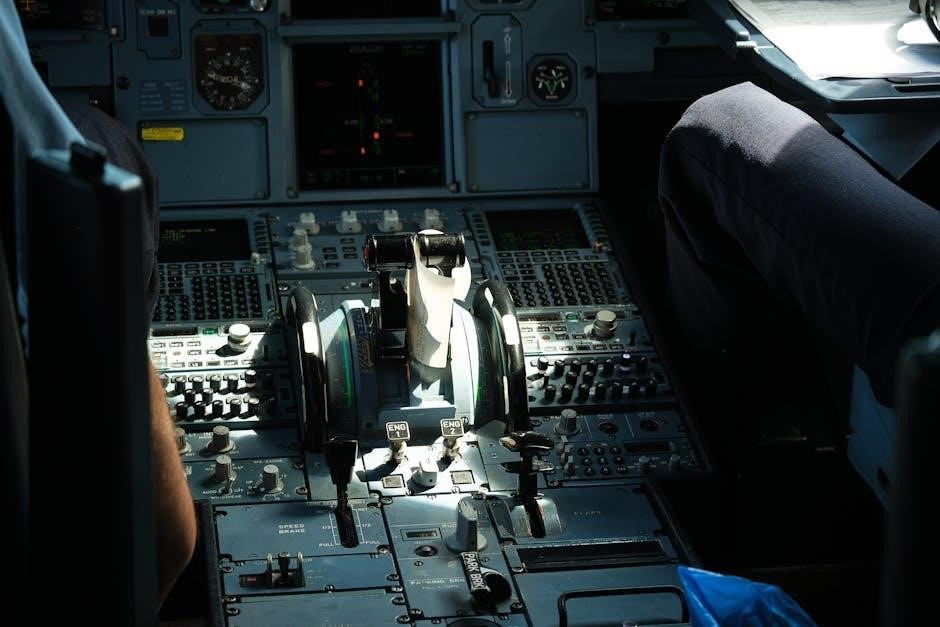
Consistent routine maintenance is paramount for ensuring the longevity and reliable operation of your control console. Regularly inspect all input devices – buttons, knobs, and faders – for wear and tear, cleaning them with appropriate solutions. Dust all components frequently to prevent overheating and ensure optimal performance.
Verify the functionality of all output devices, including displays and indicators, promptly reporting any anomalies. Check network interfaces and connectivity, confirming stable communication with all connected systems.
Adhere to a scheduled maintenance calendar, documenting all inspections and repairs. Proper upkeep minimizes downtime and safeguards the integrity of this mission-critical workstation, vital for 24/7 operations.
Future Trends in Control Console Technology
Control consoles are evolving with advanced automation, integrating AI and machine learning for enhanced efficiency and proactive system oversight.

Advanced Automation Features
Control consoles are increasingly incorporating advanced automation to streamline operations and reduce operator workload. These features move beyond simple monitoring, enabling automated responses to pre-defined events and conditions. This includes automated failover systems, intelligent power management, and predictive maintenance alerts, all configurable through the console interface.
Modern consoles utilize scripting languages and customizable workflows, allowing operators to create complex automated sequences. Integration with building management systems (BMS) and other control networks further expands automation capabilities. The goal is to minimize manual intervention, improve response times, and enhance overall system reliability. Automated reporting and logging features also contribute to improved operational efficiency and compliance.
Integration with AI and Machine Learning
Control consoles are beginning to integrate Artificial Intelligence (AI) and Machine Learning (ML) to enhance decision-making and predictive capabilities. AI algorithms analyze vast datasets from connected systems, identifying patterns and anomalies that might be missed by human operators. This enables proactive issue resolution and optimized performance.
ML models can learn from historical data to predict potential failures, adjust system parameters for maximum efficiency, and even automate routine tasks. Console interfaces are evolving to present AI-driven insights in a clear and actionable format. This includes intelligent alerts, recommended actions, and automated reporting. The combination of human expertise and AI-powered analysis promises a new era of control room efficiency and resilience.