Understanding Men’s Wedding Ring Styles
Men’s wedding rings showcase personality and commitment, ranging from classic bands to modern designs, offering diverse aesthetics for every groom’s preference.
Classic Band Styles
Classic band styles represent timeless elegance and enduring love, forming the foundation of many men’s wedding ring choices. These rings typically feature a simple, unadorned design, focusing on the metal’s inherent beauty and the symbolic circle representing eternity.
Common variations include the plain band, showcasing a smooth, polished surface, and the comfort fit band, subtly curved on the inside for enhanced wearability. A court band offers a gentle exterior curve, providing a comfortable and refined look. For those desiring a subtle detail, a brushed band presents a textured, matte finish, offering a contemporary twist on a traditional style.
These styles are incredibly versatile, complementing any wedding attire and seamlessly integrating into a man’s everyday wardrobe. Their understated sophistication ensures they remain a cherished symbol for years to come.
Modern & Unique Designs
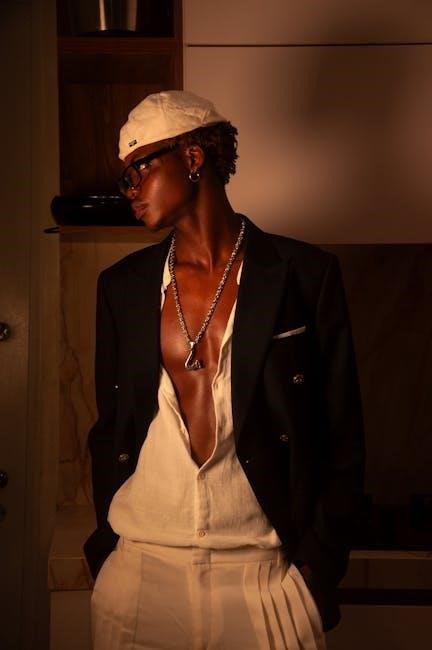
Modern & unique designs cater to grooms seeking a ring that reflects their individual style and personality. Moving beyond traditional bands, these rings incorporate innovative features and unconventional materials. Carbon fiber rings offer a distinctive, contemporary aesthetic with their lightweight and durable nature.
Two-tone bands, combining different metals like gold and platinum, create a striking visual contrast. Rings with geometric patterns or textured inlays add a touch of artistry and sophistication. Some designs feature subtle engravings or milgrain detailing for a personalized touch.
For the adventurous groom, rings incorporating wood or ceramic provide a unique and eco-conscious option. These designs allow for self-expression and a departure from convention, ensuring a wedding ring as individual as the man who wears it.
Choosing a Width & Profile
Selecting the right width and profile significantly impacts a ring’s comfort and appearance. Width typically ranges from 2mm to 8mm, with wider bands making a bolder statement and narrower bands offering a more subtle look. Consider hand size and lifestyle; active individuals might prefer a slimmer band.
The profile, or cross-sectional shape, also plays a crucial role. Flat profiles offer a contemporary, squared-off appearance, while rounded profiles provide a classic, comfortable feel. Domed profiles are popular for their smooth, ergonomic design.
Knife-edge profiles feature angled sides, creating a sleek and modern aesthetic. Ultimately, the best choice depends on personal preference and how the ring complements the wearer’s hand and overall style. Trying on different widths and profiles is highly recommended.
Popular Men’s Wedding Ring Materials
Gold, platinum, silver, stainless steel, titanium, and carbon fiber are popular choices, each offering unique qualities of durability, style, and affordability;
Gold: Yellow, White & Rose
Gold remains a timeless and highly sought-after material for men’s wedding rings, available in classic yellow gold, sophisticated white gold, and romantic rose gold. Yellow gold offers a traditional warmth and luster, while white gold provides a modern, sleek appearance often enhanced with rhodium plating for extra shine.
Rose gold, created by alloying gold with copper, boasts a distinctive pinkish hue that’s gaining popularity. Gold’s purity is measured in karats (k or kt), with 24k being pure gold – too soft for everyday wear. Therefore, alloys like silver, copper, and zinc are added for strength and durability. 14k gold is a common choice, balancing affordability with resilience, while 18k offers a richer color and higher gold content. Consider the wearer’s skin tone and personal style when selecting a gold color.
Platinum: Durability & Value
Platinum is a premium metal celebrated for its exceptional durability and inherent value, making it an excellent choice for a men’s wedding ring intended to last a lifetime. Naturally white, platinum doesn’t require rhodium plating like white gold, maintaining its color over decades of wear. It’s also significantly denser than gold, resulting in a heavier, more substantial feel.
Platinum’s strength means it resists scratches and dents exceptionally well, developing a patina over time rather than losing metal. While initially more expensive than gold, platinum’s lasting quality and minimal maintenance contribute to its long-term value. It’s a hypoallergenic option, suitable for sensitive skin. When considering platinum, look for rings with a purity of 95%, often indicated as Pt950.
Silver: Affordability & Maintenance
Silver presents a budget-friendly option for men’s wedding rings, offering an attractive aesthetic without the high price tag of precious metals like gold or platinum. However, it’s crucial to understand silver’s maintenance requirements. Unlike more durable metals, silver is prone to tarnishing when exposed to air and moisture, requiring regular polishing to maintain its shine.
Sterling silver (92.5% silver, 7.5% other metals) is the most common alloy used for jewelry. While affordable, silver is softer than gold or platinum, making it more susceptible to scratches and dents. Consider a thicker band to improve durability. Frequent cleaning with a silver polish will be necessary to prevent tarnishing and keep the ring looking its best. It’s a good choice for those seeking a stylish, inexpensive option, understanding the upkeep involved.
Stainless Steel: Strength & Style
Stainless steel has emerged as a popular choice for men’s wedding rings, celebrated for its exceptional strength, durability, and modern aesthetic. This alloy resists scratches, dents, and corrosion, making it ideal for everyday wear and active lifestyles. Unlike precious metals, stainless steel maintains its polished appearance with minimal maintenance, requiring only occasional cleaning with soap and water.
Its affordability is another significant advantage, offering a cost-effective alternative to gold or platinum. Stainless steel rings are available in various finishes, including brushed, polished, and black, allowing for customization to suit individual preferences. While it doesn’t possess the same prestige as traditional wedding ring metals, its robustness and sleek style make it a practical and fashionable option for the modern groom.
Titanium: Lightweight & Hypoallergenic
Titanium is increasingly favored for men’s wedding rings due to its remarkable strength-to-weight ratio and hypoallergenic properties. It’s incredibly durable, resisting scratches and bending, yet feels surprisingly lightweight on the finger, ensuring comfortable all-day wear. This makes it an excellent choice for individuals with active lifestyles or those sensitive to certain metals.
Titanium is biocompatible, meaning it doesn’t react with the skin, minimizing the risk of irritation or allergic reactions. While naturally a dark gray color, it can be anodized to create a range of vibrant hues. Though exceptionally strong, titanium can be brittle and may require more specialized resizing techniques. Its modern aesthetic and practical benefits position it as a compelling alternative to traditional wedding band materials.
Carbon Fiber: Modern & Distinctive
Carbon fiber rings represent a contemporary and bold choice for men’s wedding bands, offering a uniquely textured and visually striking appearance. Created by weaving strands of carbon fiber with resin, these rings are incredibly strong yet remarkably lightweight, providing exceptional comfort. The distinctive woven pattern ensures each ring is one-of-a-kind, showcasing individuality.
Carbon fiber is highly resistant to scratches and corrosion, maintaining its sleek look for years. However, it’s a brittle material and cannot be resized, requiring careful initial sizing. While offering a modern aesthetic, carbon fiber rings are generally more affordable than precious metals like gold or platinum. They are a fantastic option for grooms seeking a durable, distinctive, and stylish symbol of their commitment.
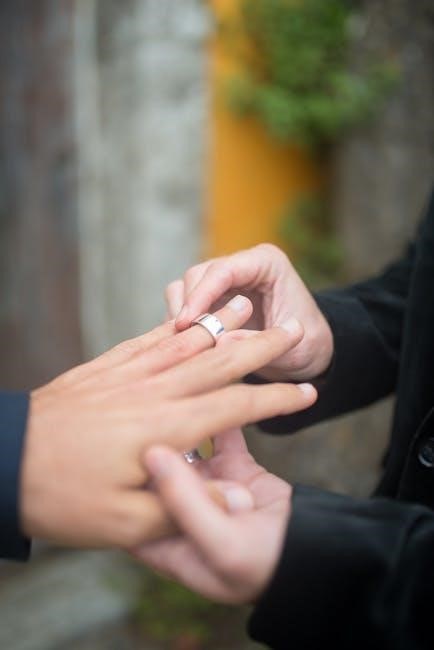
Ring Finishes & Textures
Ring finishes, like polished, brushed, or hammered, dramatically alter a ring’s appearance and feel, adding unique character and personal style.
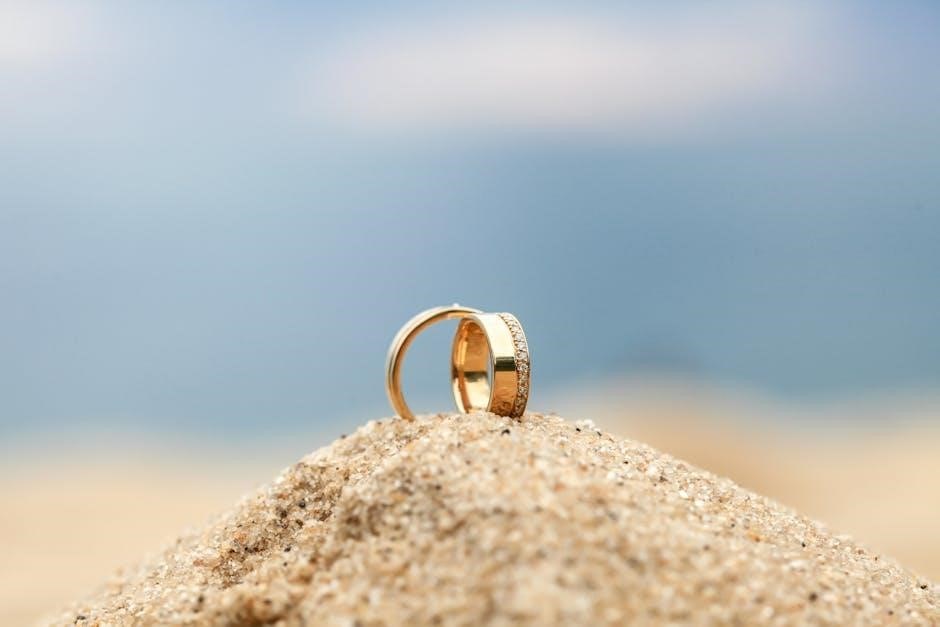
Polished Finish
A polished finish is the most traditional and popular choice for men’s wedding rings, offering a sleek, reflective surface that exudes timeless elegance. This finish is achieved through a meticulous process of buffing and smoothing the metal, removing any imperfections to create a mirror-like sheen.
Polished rings showcase the inherent beauty of the metal, enhancing its color and brilliance. They are particularly well-suited for classic designs and complement a variety of styles, from simple bands to more elaborate settings. However, polished finishes are prone to showing scratches and fingerprints, requiring regular cleaning and maintenance to retain their pristine appearance.
Despite the need for upkeep, the sophisticated look and enduring appeal of a polished finish make it a consistently favored option for grooms seeking a refined and distinguished wedding band. It’s a versatile choice that seamlessly transitions from everyday wear to special occasions.
Brushed Finish
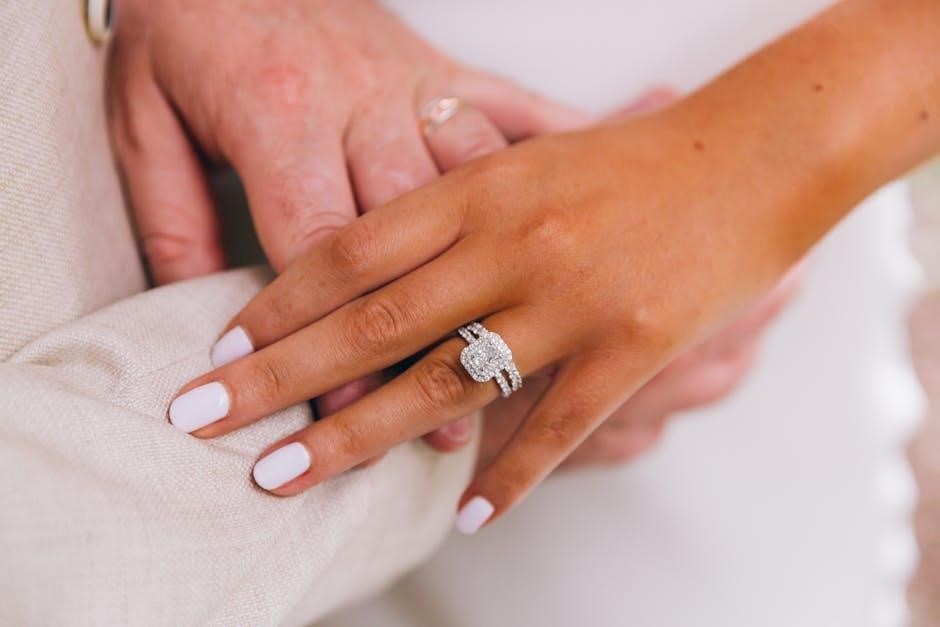
A brushed finish presents a contemporary and understated aesthetic for men’s wedding rings, characterized by fine, linear texture created by applying an abrasive material to the metal’s surface. Unlike a polished finish, a brushed surface diffuses light, resulting in a softer, more matte appearance that minimizes the visibility of scratches and everyday wear.
This finish offers a rugged yet refined look, appealing to grooms who prefer a more casual or industrial style. Brushed rings often exhibit a subtle warmth and depth, enhancing the metal’s natural color. The texture provides a comfortable feel and a distinctive visual interest.
Maintenance is relatively easy, as the brushed texture effectively hides minor imperfections. While it may not possess the same high-shine brilliance as a polished ring, its durability and modern appeal make it a compelling choice for the discerning groom.
Hammered Finish
A hammered finish on a men’s wedding ring creates a uniquely textured surface, achieved through the skillful application of hammering techniques. This process imparts a series of subtle indentations and variations across the metal, resulting in a rugged, organic aesthetic that stands apart from smoother finishes. Each ring possesses a distinct character, reflecting the artisan’s handiwork.
The hammered texture not only adds visual interest but also enhances the ring’s durability, concealing minor scratches and wear. This finish appeals to grooms seeking a bold, unconventional style, often favored for its connection to craftsmanship and individuality; It evokes a sense of strength and timelessness.
Maintenance is straightforward, and the textured surface minimizes the appearance of daily wear. A hammered ring offers a compelling blend of rustic charm and sophisticated design, making it a memorable symbol of commitment.
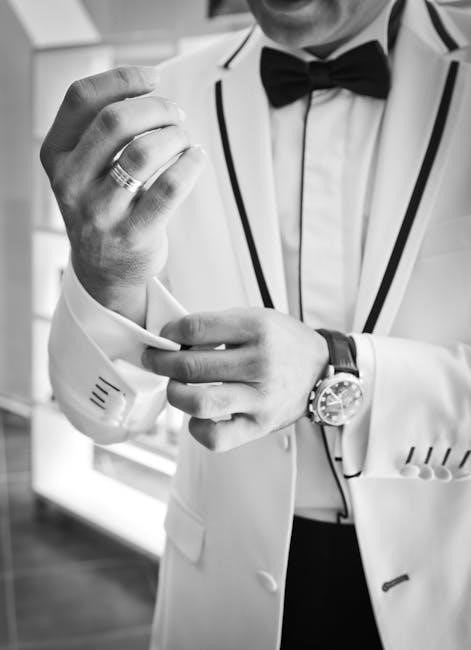
Sizing & Fit Considerations
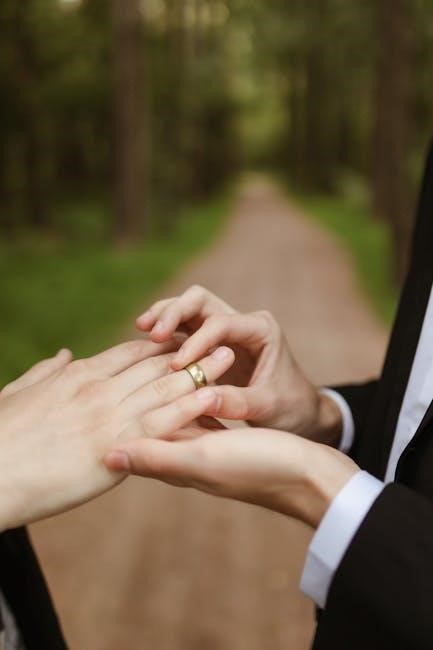
Accurate sizing and choosing between comfort fit or traditional fit are crucial for a wedding ring that feels secure and comfortable throughout life’s journey.
Getting Accurately Sized
Determining the correct ring size is paramount for a comfortable and lasting fit. Finger size can fluctuate due to temperature, time of day, and even hydration levels, so multiple measurements are recommended. A professional jeweler can provide the most accurate sizing using a ring mandrel.
Alternatively, you can measure the inside circumference of a ring already worn on the intended finger. Online printable ring sizers are available, but their accuracy can vary. Consider the width of the band; wider rings generally require a slightly larger size. It’s often better to err on the slightly larger side, as resizing is easier than making a ring smaller. Don’t attempt to guess, as an ill-fitting ring can be both uncomfortable and pose a potential loss risk.
Comfort Fit vs. Traditional Fit
Ring fit significantly impacts daily wear, and understanding the difference between comfort and traditional fits is crucial. Traditional fit rings have a flat interior, offering a classic feel but potentially feeling less comfortable over extended periods. Comfort fit rings, conversely, are slightly rounded on the inside.
This curvature creates a smoother, more ergonomic feel, reducing friction and allowing the ring to slide on and off more easily. Comfort fit rings often require a half-size increase compared to traditional fit due to the extra interior space. Consider your lifestyle and preferences; if you’ll be wearing the ring constantly, a comfort fit is generally recommended for enhanced all-day comfort and reduced irritation.
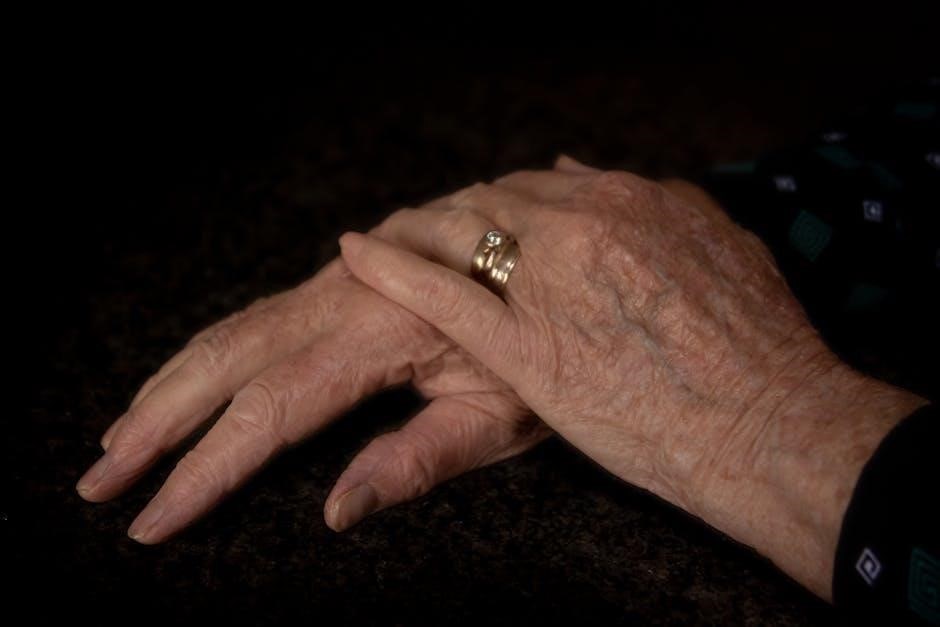
Budget & Price Ranges
Wedding ring costs vary widely, influenced by material, design complexity, and brand prestige; establishing a realistic budget is essential before beginning your search.
Factors Affecting Cost
Several key elements significantly influence the final price of a men’s wedding ring. The material is paramount; platinum and gold generally command higher prices than stainless steel or titanium due to their inherent value and durability. Ring width also plays a role, as wider bands require more metal, increasing the cost.
Intricate designs, such as those incorporating diamonds or complex engravings, will naturally be more expensive than simpler, classic bands. Brand reputation can also contribute to the price – well-known designers often charge a premium. Furthermore, customization, including bespoke designs or personalized engravings, adds to the overall expense.
Finally, consider the retailer; prices can vary between online vendors, local jewelers, and larger chain stores. Don’t forget to factor in potential taxes and insurance costs when calculating your total budget. Understanding these factors empowers you to make informed decisions and find a ring that aligns with your financial constraints.
Finding Rings Within Your Budget
Securing a beautiful men’s wedding ring doesn’t necessitate overspending. Begin by establishing a realistic budget and prioritizing your needs. Consider alternative materials like stainless steel or titanium if precious metals strain your finances; they offer durability and style at lower price points. Explore simpler designs – a classic band often costs less than intricate, embellished rings.
Online retailers frequently offer competitive pricing compared to traditional brick-and-mortar stores. Don’t hesitate to compare prices across multiple vendors. Look for sales and promotions, particularly during off-peak seasons.
Consider a slightly narrower band, as it requires less metal. Finally, remember that the emotional value of the ring far outweighs its monetary cost; focus on finding a symbol of your love that feels right, regardless of price.